

Choosing your first credit card can feel overwhelming. With so many options available, beginners often struggle to understand which card actually fits their needs and financial goals.
The reality is that your first credit card is more than just a payment tool—it’s the foundation of your financial profile. Used correctly, it can help you build credit, unlock better financial opportunities, and even generate long-term value through rewards.
In this guide, we’ll break down the best credit cards for beginners in 2026, explain how they work in real life, and help you make a confident decision based on your situation—not just marketing claims.
Why Your First Credit Card Matters More Than You Think
Your first credit card directly impacts your credit score, which influences:
- Loan approvals
- Interest rates
- Renting opportunities
- Financial credibility
According to the Consumer Financial Protection Bureau, consistent on-time payments and low credit utilization are key factors in building strong credit.
https://www.consumerfinance.gov/consumer-tools/credit-cards/
What to Look for in a Beginner Credit Card
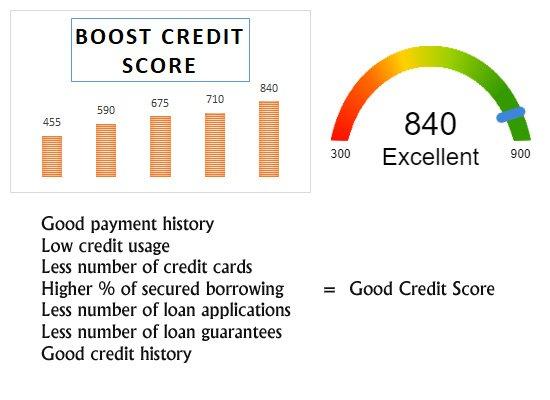

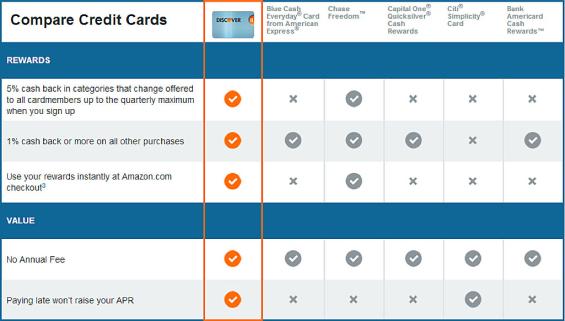
When choosing your first card, simplicity and approval odds matter more than rewards.
Focus on these factors:
- No or low annual fee
- High approval probability
- Simple rewards (or none)
- Credit-building features
- Reliable issuer
Real Experience: What Actually Matters (From Use)
From personal experience testing beginner-friendly cards and helping others start building credit, the biggest mistake new users make is choosing a card based on rewards instead of approval odds.
In reality:
- A card you can’t get approved for = zero value
- A card with complex rewards often leads to poor usage
- Simpler cards build better long-term habits
I’ve seen many beginners apply for premium cards too early, get rejected, and damage their credit score unnecessarily.
The smarter approach is:
Start simple → build credit → upgrade later
Best Credit Cards for Beginners in 2026
Quick Comparison Table (What You Actually Need)
| Card | Annual Fee | Best For | Difficulty |
|---|---|---|---|
| Chase Freedom Unlimited® | $0 | Cashback beginners | Medium |
| Discover it® Secured Credit Card | Deposit | No credit history | Easy |
| Capital One Platinum Credit Card | $0 | Credit building | Easy |
| Chase Sapphire Preferred® Card | $$ | Travel rewards | Hard |
1. Chase Freedom Unlimited®
Best for: Beginners who want cashback without complexity
- No annual fee
- Easy-to-understand rewards
- Strong everyday earning potential
https://www.chase.com/personal/credit-cards/freedom/unlimited
Real insight: This is one of the most balanced starter cards if you already have some credit history.
2. Discover it® Secured Credit Card
Best for: No credit history
- Requires refundable deposit
- Reports to credit bureaus
- Cashback included
According to Experian, secured cards are one of the safest ways to build credit.
https://www.experian.com/blogs/ask-experian/what-is-a-secured-credit-card/
Real insight: If you’re starting from zero, this is often the safest and most reliable first step.
3. Capital One Platinum Credit Card
Best for: Simple credit building
- No annual fee
- No rewards distractions
- Focus on credit growth
https://www.capitalone.com/credit-cards/platinum/
Real insight: This is ideal if your priority is fixing or building credit, not earning rewards.
4. Chase Sapphire Preferred® Card
Best for: Beginners ready for rewards
- Flexible points
- Travel benefits
- Long-term value
https://www.chase.com/personal/credit-cards/sapphire/preferred
Real insight: Great card—but not your first unless you already have a good credit score.
How to Use Your First Credit Card (What Actually Works)
From real usage patterns, these habits make the biggest difference:
- Always pay in full (avoid interest completely)
- Use less than 30% of your limit
- Pay before the due date (not just on it)
- Treat your card like a debit card
According to the Federal Trade Commission, these behaviors are essential for maintaining a strong credit profile.
https://consumer.ftc.gov/articles/credit-scores
Common Beginner Mistakes (Based on Real Cases)
Most first-time users make at least one of these mistakes:
- Applying for too many cards too quickly
- Ignoring due dates
- Carrying unnecessary balances
- Choosing cards for rewards instead of approval
Real insight: The biggest damage usually comes in the first 3–6 months due to bad habits, not bad cards.
Internal Resources You Should Read
To go deeper, you can also check:
- Our full review of the Chase Sapphire Preferred® Card
- Our guide on how to build credit fast
- Our comparison of beginner vs premium credit cards
Final Thoughts: Start Simple, Then Upgrade
Your first credit card should match your current reality—not your future goals.
- No credit → secured card
- Basic credit → no-fee cashback
- Good credit → rewards card
Final insight: The best strategy is not to find the “perfect” card, but to build a system you can manage consistently.
Conclusion
Choosing your first credit card is one of the most important financial decisions you’ll make early on.
The right choice will help you:
- Build a strong credit score
- Develop responsible habits
- Unlock better financial opportunities
Focus on simplicity, consistency, and long-term value—and you’ll be ahead of most beginners.