
Most budgeting apps don’t fail because they’re poorly built.
They fail because people stop using them.
After trying several apps over the past couple of years—and more importantly, trying to stick with them during normal routines, not ideal ones—the pattern becomes obvious. The first few days feel productive, sometimes even motivating. Then real life starts to get in the way, and the habit slowly fades.
Not because the app is bad, but because it demands more effort than it gives back.
That’s why this guide is not about which app has more features. It’s about which ones actually fit into everyday life without turning budgeting into a chore.
Why budgeting apps often don’t last
There’s a common assumption that once you install the right app, everything becomes easier. In practice, most tools are designed for a version of the user that doesn’t really exist—someone who updates categories daily, reviews reports regularly, and stays fully consistent.
Real usage looks very different.
According to the Consumer Financial Protection Bureau, the key factor in improving financial habits is consistency, not precision. Even simple tracking, done regularly, has a measurable impact on financial awareness.
👉 https://www.consumerfinance.gov/consumer-tools/budgeting/
This aligns closely with what I experienced. The apps that required too much input or attention were the first ones I stopped opening. The ones that stayed were the ones that didn’t interrupt my routine.
What actually makes an app usable
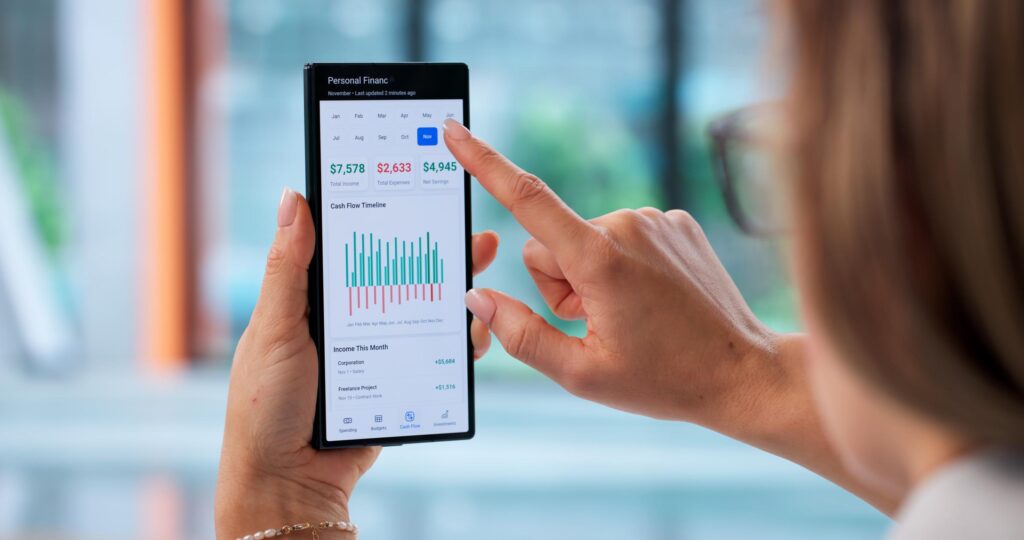
Over time, it becomes clear that the difference between a good app and a usable one is subtle.
It’s not about how many features it has, but how quickly it gives you a clear answer. If you can open it, understand your situation in a few seconds, and move on, it tends to stay part of your day. If it requires decisions, adjustments, or manual input every time, it slowly becomes something you avoid.
That’s the point where most budgeting systems fail—not in design, but in friction.
PocketGuard
PocketGuard is probably the closest thing I’ve seen to a “low-effort” budgeting tool that still works.
Instead of asking you to manage categories or adjust budgets constantly, it focuses on one simple idea: how much money you can safely spend at any given moment.
When I used it consistently, I noticed something that didn’t happen with other apps. I didn’t feel like I was budgeting. I was just checking a number before making decisions. That small shift removes most of the mental resistance that usually builds up over time.
YNAB (You Need A Budget)
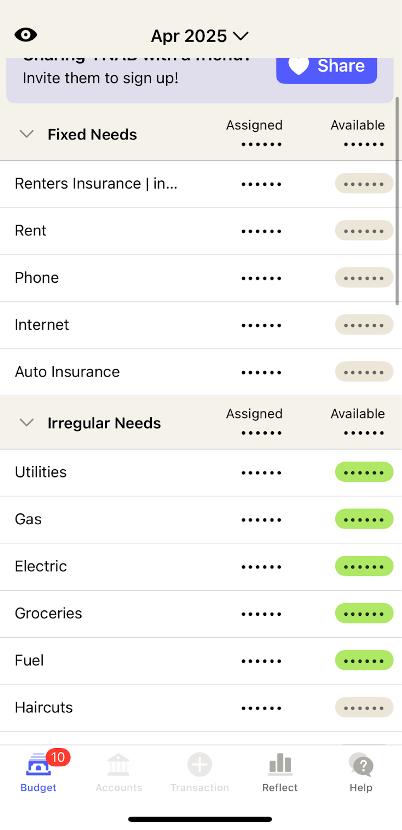

YNAB is almost the opposite experience. It’s structured, intentional, and built around a system where every dollar has a purpose.
That method—known as zero-based budgeting—is widely recognized as effective, including by Investopedia.
👉 https://www.investopedia.com/terms/z/zero-based-budgeting.asp
From personal use, I can say it does work. During periods when I used it consistently, my spending awareness improved noticeably. The downside appears when you lose that consistency. Missing a few days can make it feel like you’re behind, which makes it harder to come back.
It’s not a flaw in the system—it’s the cost of having a more structured approach.
Rocket Money
Rocket Money approaches budgeting from a different angle. Instead of trying to change your behavior first, it looks at where money is already slipping away.
When I connected it to my accounts, I found subscriptions I hadn’t thought about in months. That alone created immediate savings, without needing to adjust anything else.
This aligns with broader research, such as analysis from The Motley Fool, which highlights how recurring expenses are one of the most common sources of unnoticed spending.
👉 https://www.fool.com/money/personal-finance/best-budgeting-apps/
Monarch Money
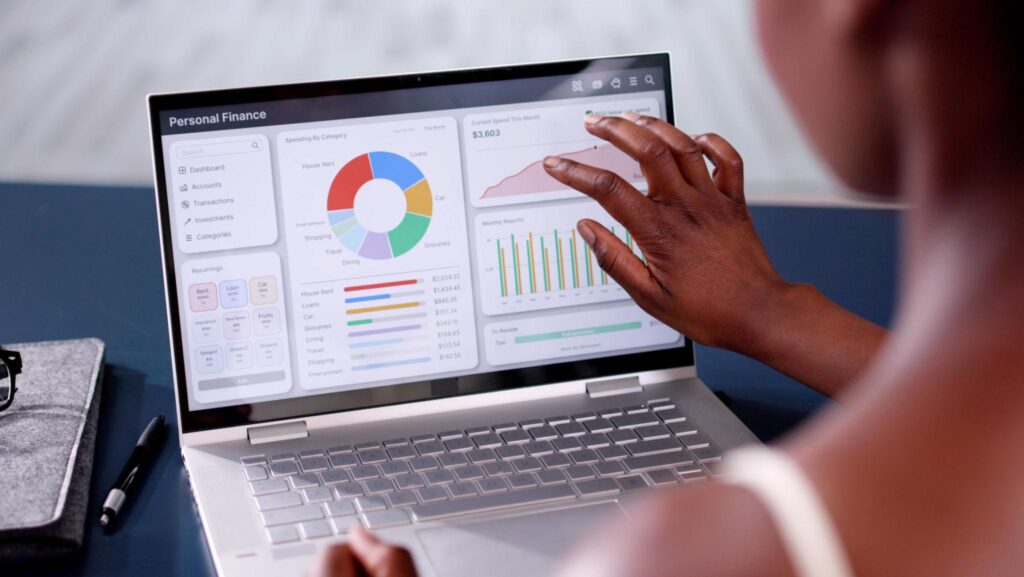
Monarch Money feels less like a budgeting app and more like a full financial dashboard.
It combines multiple aspects—spending, investments, net worth—into one place. That makes it powerful, but also heavier to use. When I tried it, it felt useful for reviewing everything in detail, but not something I would check quickly during the day.
That distinction matters. Some tools are better for analysis, others for daily decisions.
Where most people go wrong
The biggest mistake is choosing based on what sounds better, not what fits better.
It’s easy to assume that a more complete system will give better results. But if that system creates friction, it eventually stops being used.
From what I’ve seen, and experienced directly, consistency almost always beats complexity.
What I would actually do
If I had to start again, I wouldn’t try to optimize everything from day one.
I would choose something simple, use it every day without overthinking it, and only move to something more advanced if I felt limited.
Because in the early stages, the goal is not to control everything.
It’s simply to become aware.
Final verdict
There isn’t a single budgeting app that works for everyone.
What matters is whether the tool fits into your routine without forcing you to change everything at once.
The apps that succeed are not necessarily the most powerful—they’re the ones that stay relevant after the first week.
Conclusion
Budgeting apps don’t fix your finances by themselves. What makes the difference is repetition, even when it’s imperfect.
The right app is the one that makes that repetition easier, not harder.
And in most real-life cases, simpler systems tend to win.