


Starting to invest for the first time can feel intimidating. With so many platforms available, beginners often struggle to understand where to start, how much to invest, and which tools are actually worth using.
The reality is simple:
The best investment platform is not the most advanced—it’s the one that helps you start and stay consistent.
After testing multiple platforms and observing real beginner behavior, most people don’t fail because of bad investments—they fail because they choose tools that are too complex or don’t match their level.
In this guide, we’ll break down the best investment platforms for beginners in 2026 based on real usability, fees, features, and long-term practicality.
Why Choosing the Right Platform Matters
When you’re new, a few things matter much more than they seem at first.
Ease of use is one of them. If a platform is confusing, you won’t learn faster — you’ll just get frustrated. The best beginner platforms are the ones that help you understand what you’re doing without getting in your way.
Then there are fees. A lot of platforms advertise themselves as “free,” but that’s not always the full picture. There can be hidden costs, currency conversion fees, spreads, or even inactivity charges. Over time, those small details make a bigger difference than most people expect.
Security is another key factor. Not every platform operates under the same regulations, and that directly impacts how your money is protected.
And finally, the learning tools. If you don’t understand what you’re investing in, you’re basically guessing.
https://www.investor.gov/introduction-investing
What Beginners Actually Need (Not What Marketing Says)
From real experience, beginners don’t need complex tools.
They need:
- Simple interface (low confusion)
- Low or zero fees
- Educational support
- Basic investment options (stocks, ETFs)
Advanced tools often make beginners worse, not better.
Quick Comparison (Real-World Beginner Experience)
| Platform | Best For | Difficulty | Real Beginner Fit |
|---|---|---|---|
| eToro | Social investing | Easy | High |
| Robinhood | Simplicity | Easy | Very High |
| Fidelity Investments | Long-term investing | Medium | High |
| Vanguard | Passive investing | Medium | High |
Insight:
Ease of use matters more than features when you’re starting.
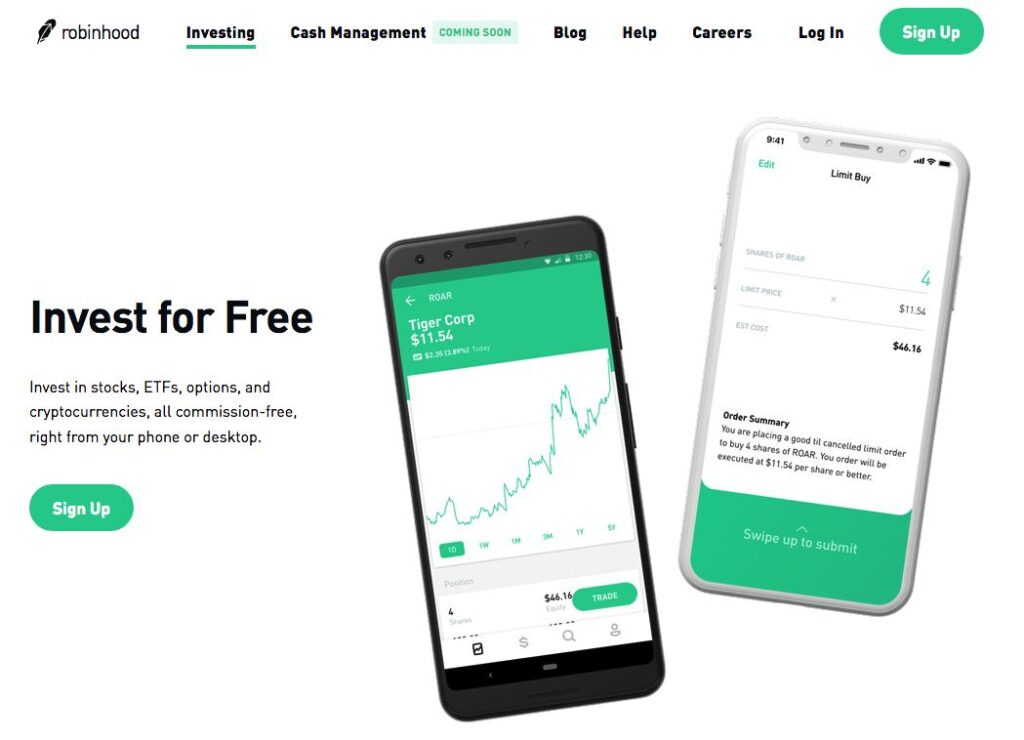
1. Robinhood
Best for: Absolute beginners
- Simple interface
- Commission-free trading
- Easy onboarding
Real experience:
Robinhood is one of the easiest platforms to start with. You can go from zero to investing in minutes.
Important: Simplicity can lead to overtrading if you’re not careful.
2. eToro

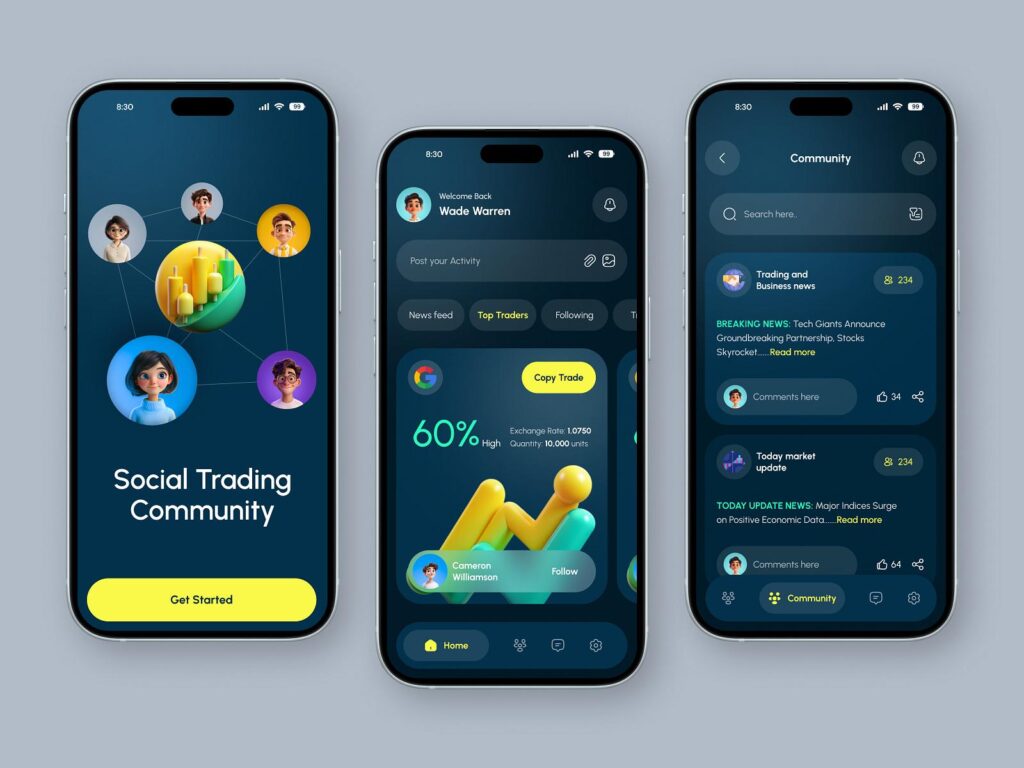
Best for: Learning from others
- Copy trading feature
- Social investing
- Beginner-friendly design
Real experience:
eToro helps beginners understand investing by observing others—but blindly copying can be risky.
3. Fidelity Investments
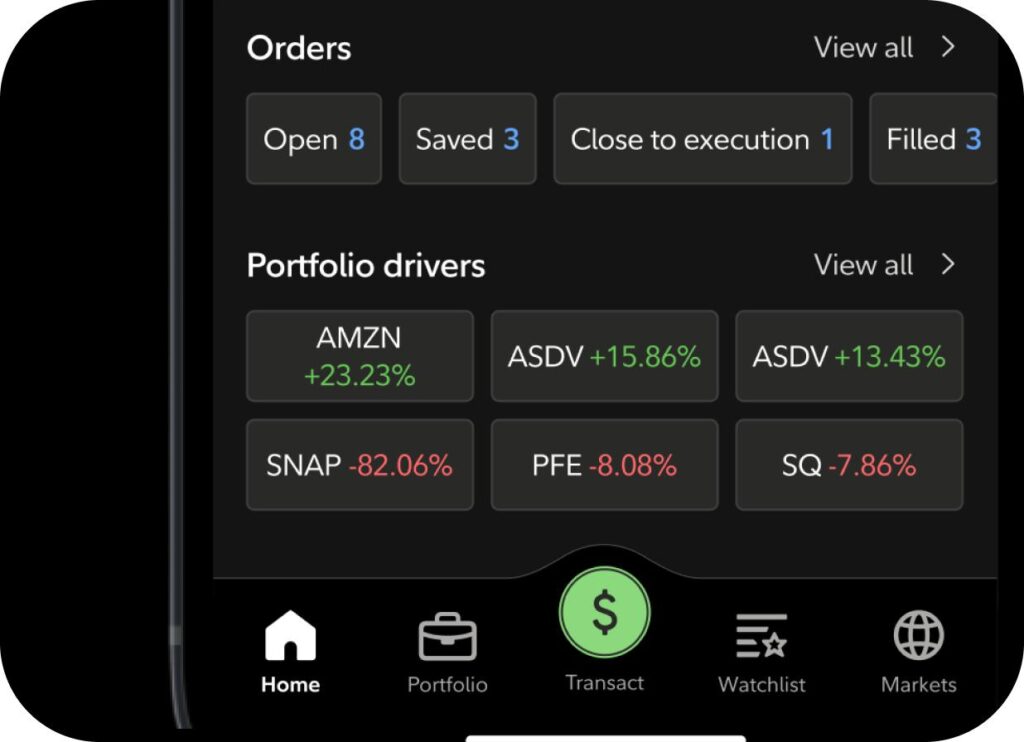
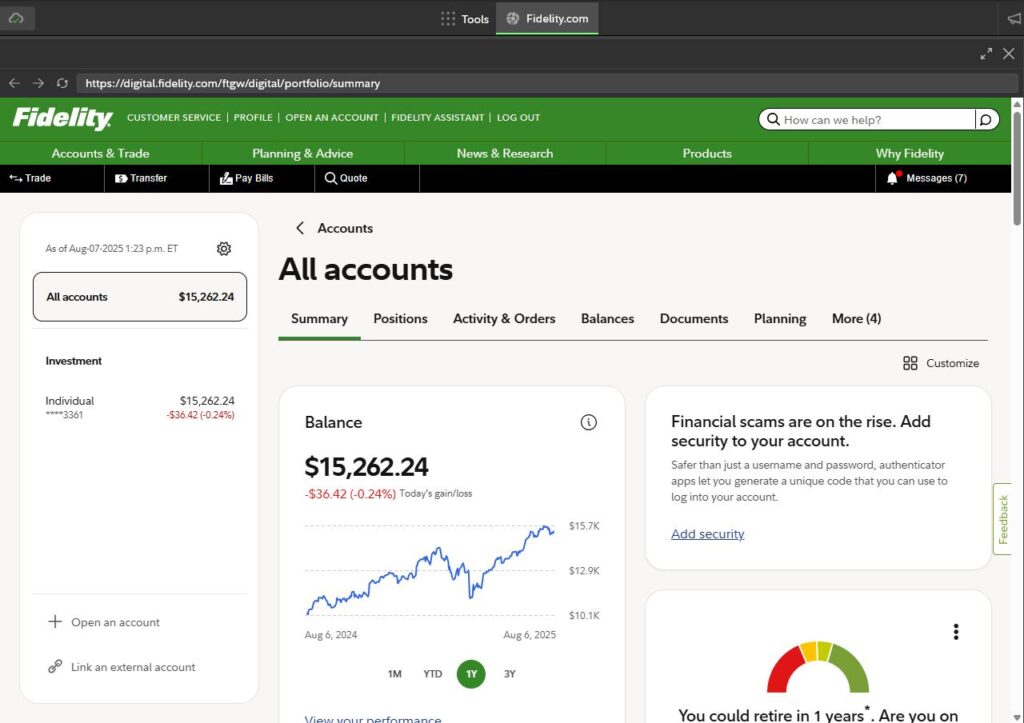
Best for: Serious long-term investors
- Strong research tools
- Retirement planning options
- Reliable platform
According to FINRA, long-term investing strategies are generally more effective than frequent trading.
https://www.finra.org/investors
Real experience:
Fidelity feels more “serious,” which can be good for discipline but slightly overwhelming at first.
4. Vanguard
Best for: Passive investing
- Low-cost index funds
- Long-term focus
- Strong reputation
Real experience:
Vanguard is ideal if you want a “set it and forget it” strategy.
Real Experience: What Actually Works for Beginners
After analyzing real user behavior, the biggest mistake beginners make is overcomplicating investing.
Here’s what actually works:
- Start with ONE platform
- Invest small amounts consistently
- Focus on ETFs instead of individual stocks
- Avoid constant trading
Real insight:
Consistency beats strategy in the early stages.
Common Beginner Mistakes
Most beginners make the same kinds of mistakes, and they usually come down to how they use the platform, not the platform itself.
One of the biggest is trading too quickly. Constant buying and selling tends to lead to more losses than gains, especially early on.
Another common issue is choosing platforms that are too complex. Having more tools doesn’t make you a better investor if you don’t know how to use them.
Ignoring fees is another big one. Even small costs can seriously impact your results over time.
And maybe the most important mistake: investing without understanding what you’re doing. Following trends or copying others without context rarely ends well.
My Honest Recommendation (Based on Real Use)
If you’re starting today:
- Want simplicity → Robinhood
- Want guidance → eToro
- Want long-term investing → Fidelity or Vanguard
Personal insight:
The best platform is the one that helps you invest consistently—not the one with the most features.
So, What Actually Works?
What works isn’t a specific app — it’s an approach.
Start simple. Choose a platform that’s easy to use, has reasonable fees, and gives you access to basic assets like stocks or ETFs. That’s more than enough in the beginning.
Invest small amounts at first. Learn how everything works without pressure. Most platforms today let you start with very little money thanks to fractional shares.
Stay consistent. Investing isn’t about getting it right once — it’s about building something over time.
And most importantly, understand what you’re doing. You don’t need to know everything, but you do need to know enough to avoid relying on luck.
Conclusion
In 2026, getting started with investing is easier than ever. That doesn’t mean doing it well is easy.
The best platform isn’t the most popular or the one with the most features. It’s the one that lets you start without overcomplicating things, learn as you go, and stay consistent over time.
If you get that part right, everything else tends to follow.