

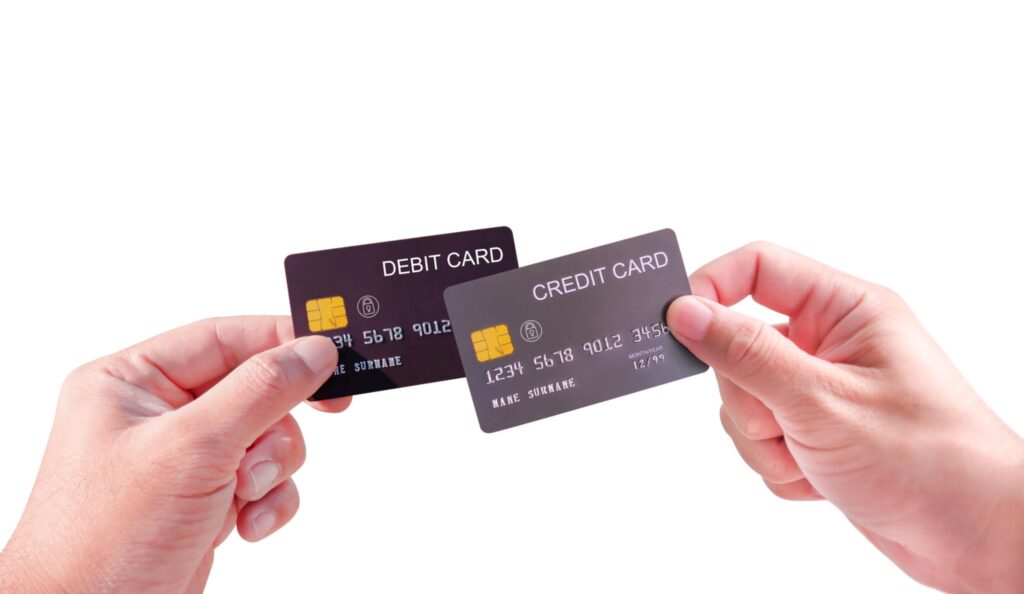
Choosing between a debit card and a credit card might seem like a basic financial decision, but in reality, it has a long-term impact on how you manage money, build credit, and even handle unexpected expenses.
Most people assume the difference is simple: one uses your own money, the other borrows it. While that’s technically true, the real difference is in how these tools affect your financial behavior over time.
This guide goes beyond definitions. It’s based on real usage patterns, practical advantages, and the situations where each option actually works better.
The Core Difference (In Simple Terms)
A debit card is directly connected to your bank account. When you pay, the money is immediately taken from your balance.
A credit card allows you to borrow money up to a limit and pay it back later, usually at the end of a billing cycle.
That difference may seem small, but it changes everything.
According to the Consumer Financial Protection Bureau, understanding how each payment method works is essential to avoid debt and manage finances effectively.
https://www.consumerfinance.gov/consumer-tools/credit-cards/
Quick Comparison: What Actually Matters
| Feature | Debit Card | Credit Card |
|---|---|---|
| Uses your own money | Yes | No |
| Builds credit score | No | Yes |
| Risk of debt | Very low | Possible |
| Fraud protection | Basic | Stronger |
| Rewards | Rare | Common |
Insight:
The real difference isn’t the card—it’s the financial system behind it.
Daily Use: How They Feel in Real Life
Using a debit card feels straightforward. You spend money you already have, which naturally limits overspending. For many people, this creates a sense of control and reduces financial stress.
Using a credit card feels different. You’re not spending money immediately, which can create more flexibility—but also more risk if you’re not disciplined.
Real experience:
People who switch from debit to credit often underestimate how easy it is to overspend when the money isn’t leaving their account right away.
Building Credit: The Biggest Advantage of Credit Cards
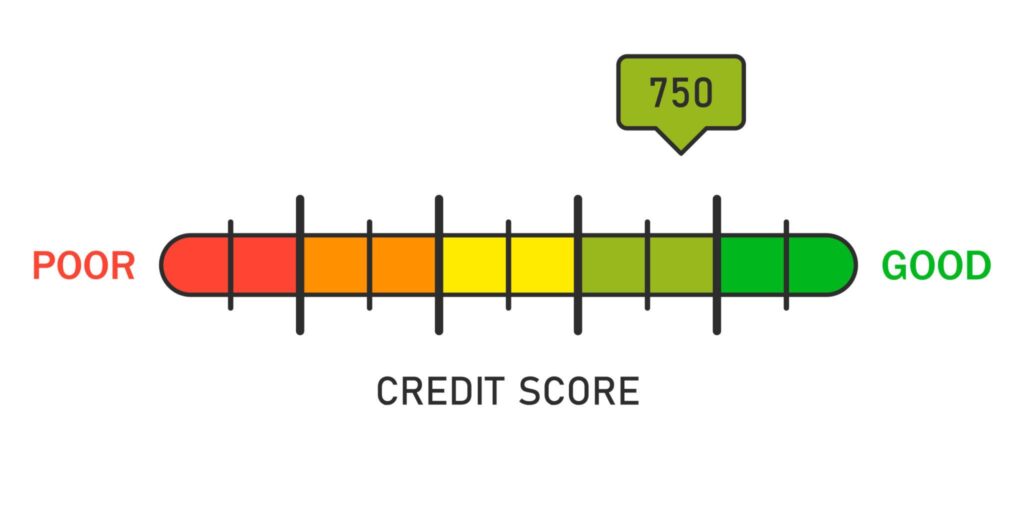

One of the most important differences is something debit cards simply cannot offer.
Credit cards help you build a credit history. This affects:
- Loan approvals
- Interest rates
- Renting applications
- Financial opportunities
According to the Federal Trade Commission, responsible use of credit cards—especially paying on time—plays a key role in maintaining a strong credit score.
https://consumer.ftc.gov/articles/credit-scores
Real insight:
If you plan to finance anything in the future, using a credit card responsibly is almost essential.
Safety and Fraud Protection
Security is another area where differences matter more than most people expect.
With a debit card, fraudulent transactions directly affect your bank balance. Recovering the money can take time.
With a credit card, fraudulent charges are usually easier to dispute because the money hasn’t been taken from your account yet.
Real experience:
In real situations, credit cards tend to offer more protection and less immediate financial impact.
Spending Behavior: Control vs Flexibility
Debit cards naturally limit spending. You can’t spend more than you have, which makes them ideal for people who want strict control over their finances.
Credit cards provide flexibility. You can handle unexpected expenses, smooth cash flow, and even earn rewards—but only if you manage them correctly.
Real insight:
Debit cards protect you from mistakes. Credit cards reward you if you avoid them.
Rewards and Benefits
This is where credit cards clearly stand out.
Many credit cards offer:
- Cashback
- Travel rewards
- Purchase protections
Debit cards rarely offer meaningful rewards.
Real experience:
Over time, rewards can add up—but only if you avoid interest charges.
Common Mistakes People Make
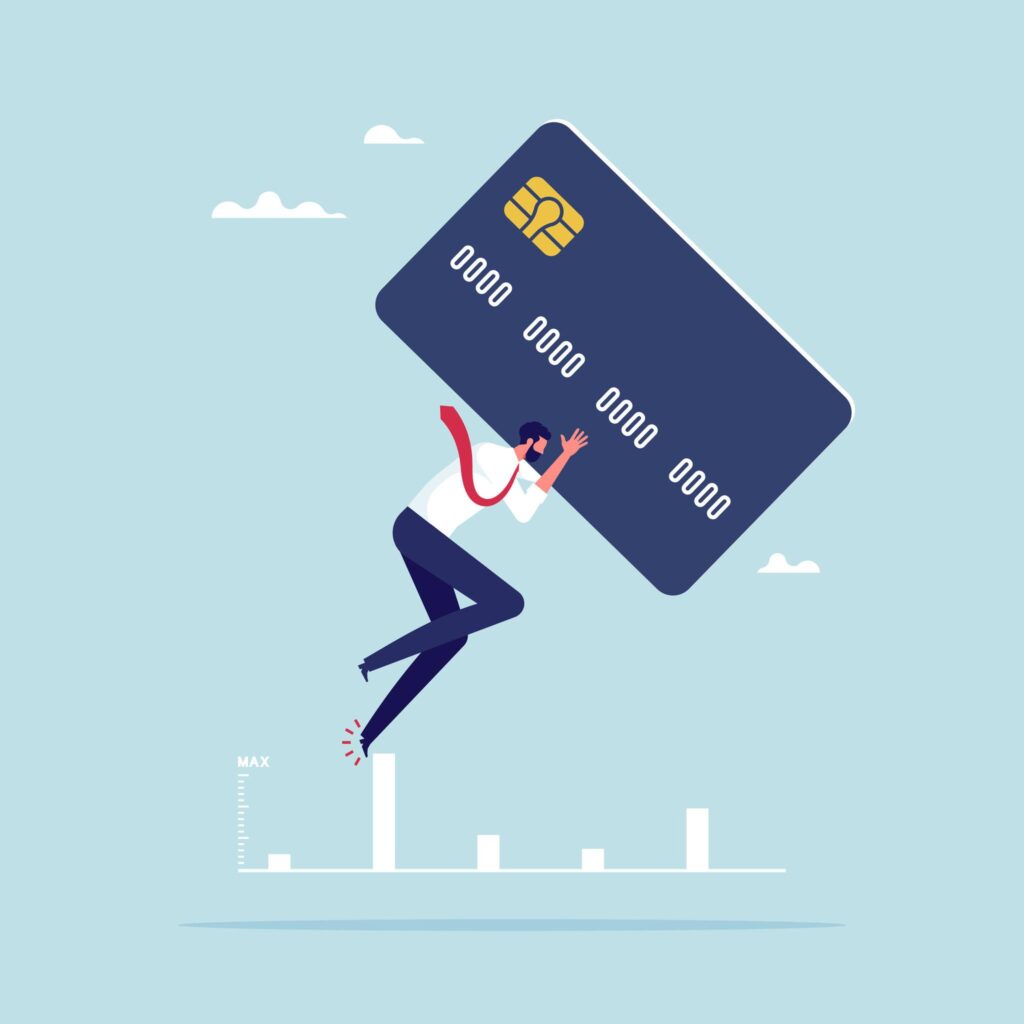


From real usage patterns, the biggest mistakes include:
- Using credit cards without a repayment plan
- Relying only on debit cards and never building credit
- Ignoring spending habits
The problem is rarely the tool—it’s how it’s used.
My Honest Recommendation (Based on Real Use)
There isn’t a single “better” option for everyone.
If you value control and want to avoid debt at all costs, a debit card is the safer choice.
If you want to build credit, earn rewards, and have more flexibility, a credit card is more powerful—but requires discipline.
Personal insight:
The most effective approach for many people is using both:
Debit for daily control, credit for strategic spending.
Internal Resources
- Read our guide on best credit cards for beginners
- Check our comparison of travel credit cards
- Learn how to build credit step by step
Final Verdict
The better option depends on your habits.
Debit cards are safer and simpler.
Credit cards are more powerful—but only if used correctly.
The best choice is the one that matches your behavior, not just your goals.
Conclusion
Choosing between a debit card and a credit card is not about which one is better in theory—it’s about which one works better for you in practice.
If you understand how each one affects your spending, your credit, and your financial future, you can use them as tools instead of risks.
Start simple, stay consistent, and focus on building habits that support your long-term goals.