


Travel credit cards have become one of the most powerful financial tools for people who want to reduce travel costs while earning rewards on everyday spending. However, choosing the right one in 2026 is no longer as simple as picking the card with the biggest bonus.
After testing multiple cards and analyzing real user behavior, one thing becomes clear: the best travel credit card is not the one with the most features, but the one that matches how you actually spend and travel.
In this guide, we’ll break down the best travel credit cards in 2026, explain how they work in real scenarios, and help you avoid the common mistakes that cost beginners money.
What Makes a Credit Card “Good” for Travel?
Before looking at specific cards, it’s important to understand what really matters.
Many users focus only on welcome bonuses, but long-term value comes from three key factors:
1. Redemption Flexibility
Points should be usable across airlines, hotels, or travel portals.
2. Earning Potential
Cards should reward categories like travel, dining, and daily spending.
3. Real Benefits
Travel insurance, protections, and perks often provide more value than rewards.
According to the Consumer Financial Protection Bureau, understanding fees, interest, and reward structures is essential before choosing any credit card.
https://www.consumerfinance.gov/consumer-tools/credit-cards/
Quick Comparison: Best Travel Credit Cards (2026)
| Card | Annual Fee | Best For | Key Strength |
|---|---|---|---|
| Chase Sapphire Preferred® Card | Moderate | Balanced users | Flexible points |
| Capital One Venture Rewards Credit Card | Moderate | Simplicity | Easy rewards |
| American Express Gold Card | Higher | Food + travel | Dining rewards |
| Capital One Venture X Rewards Credit Card | Premium | Frequent travelers | Luxury perks |
1. Chase Sapphire Preferred® Card
Best for: Balanced travelers
This card remains one of the most reliable options for users who want flexibility without paying premium fees.
Why it stands out:
- Strong rewards on travel and dining
- Points transferable to airline and hotel partners
- Built-in travel protections
Real insight:
From actual use, this card performs best when you actively transfer points instead of redeeming them for cashback. That’s where the real value appears.
Official details: https://www.chase.com/personal/credit-cards/sapphire/preferred
2. Capital One Venture Rewards Credit Card


Best for: Simplicity
This card is ideal for users who don’t want to manage complex reward systems.
Key features:
- Flat-rate rewards on all purchases
- Easy redemption for travel expenses
- Straightforward structure
Real insight:
Many beginners actually get more value from simple cards like this because they don’t waste points or overcomplicate their strategy.
https://www.capitalone.com/credit-cards/venture/
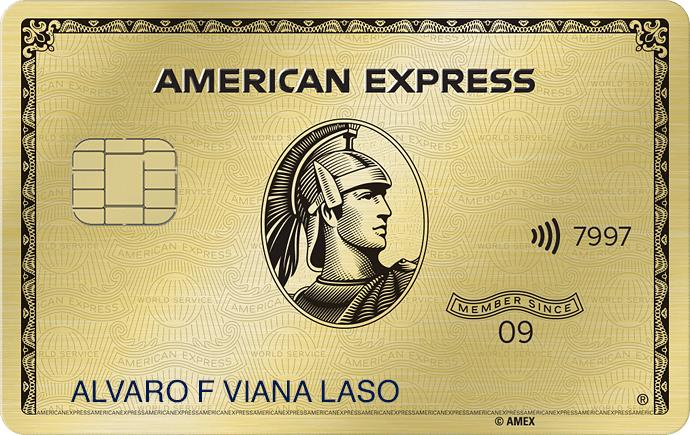
3. American Express Gold Card

Best for: Dining + travel combination
This card is often misunderstood as a pure travel card, but its real strength is in food-related spending.
Strengths:
- High rewards on dining
- Strong ecosystem of travel partners
- Premium feel and benefits
According to Experian, reward cards are most effective when aligned with daily spending habits.
https://www.experian.com/blogs/ask-experian/
Real insight:
If you don’t spend much on dining, this card quickly loses value despite its strong rewards.
4. Capital One Venture X Rewards Credit Card
Best for: Frequent travelers
This is a premium card designed for users who travel regularly and can justify a higher annual fee.
Key benefits:
- Airport lounge access
- Travel credits
- High reward rates
Real insight:
Premium cards only make sense if you actually use their benefits. Otherwise, the annual fee cancels out the value.
https://www.capitalone.com/credit-cards/venture-x/
Real Experience: What Actually Works (Beyond Marketing)
After analyzing real usage patterns, the biggest mistake people make is choosing a travel card based on bonuses instead of long-term usability.
Here’s what consistently works:
- Using one main card instead of multiple
- Redeeming points strategically (not impulsively)
- Focusing on everyday categories like dining and transport
In practice, most users never fully maximize premium perks. Simpler cards often outperform them in real-world scenarios.
Hidden Value: Travel Protections Most People Ignore
One of the most underrated features of travel credit cards is protection coverage.
These may include:
- Trip cancellation insurance
- Baggage delay reimbursement
- Rental car coverage
According to the Federal Trade Commission, understanding these protections can prevent unexpected financial losses.
https://consumer.ftc.gov/articles/credit-scores
Real insight:
In real situations (delays, cancellations), these benefits can save more money than rewards points.
Common Mistakes to Avoid
Many users lose value because of avoidable mistakes:
- Redeeming points for low-value options
- Ignoring annual fees
- Applying for too many cards
- Chasing bonuses without strategy
Real insight:
The biggest losses don’t come from bad cards—but from poor usage.
Internal Resources You Should Check
To build a stronger strategy, you can also read:
- Our full review of the Chase Sapphire Preferred® Card
- Our guide on best credit cards for beginners
- Our comparison between cashback vs travel rewards
Final Verdict: Which Card Should You Choose?
The best travel credit card depends on your habits:
- Occasional traveler → simple rewards card
- Frequent traveler → premium card
- Food-focused spender → dining rewards card
Final insight:
The smartest strategy is not to chase the “best card,” but to choose the one you will actually use consistently.
Conclusion
Travel credit cards can offer incredible value—but only if used correctly.
The right card should:
- Match your spending habits
- Provide flexible rewards
- Deliver real benefits beyond points
If you focus on consistency and long-term value, even a mid-tier card can outperform premium options.