


Choosing between two travel credit cards can seem simple at first, but in reality, it’s one of those decisions where small differences end up having a big impact over time.
Both the Chase Sapphire Preferred® Card and the Capital One Venture Rewards Credit Card are often recommended as “safe choices.” The problem is that they’re designed for very different types of users, and picking the wrong one can quietly cost you hundreds of dollars per year in lost value.
This isn’t just a feature comparison. It’s a practical look at how these cards behave in real life, based on actual usage patterns and what tends to work long term.
The Real Difference Most People Miss
On paper, both cards look similar. Moderate annual fee, travel rewards, decent perks. But the way they generate value is completely different.
The Chase Sapphire Preferred® Card is built around optimization. You earn more in certain categories and can extract higher value if you understand how to use transfer partners.
The Capital One Venture Rewards Credit Card takes the opposite approach. It removes complexity and gives you consistent rewards without requiring any strategy.
That difference might not seem important at first, but in practice, it defines how much value you actually get.
Quick Comparison (What Actually Matters)
| Feature | Chase Sapphire Preferred® Card | Capital One Venture Rewards Credit Card |
|---|---|---|
| Rewards Style | Category-based | Flat-rate |
| Learning Curve | Medium | Very low |
| Redemption | Flexible (higher potential) | Simple (consistent) |
| Best For | Strategic users | Everyday users |
Rewards in Real Life: Where Things Start to Diverge
When you actually use these cards daily, the experience feels very different.
With the Chase Sapphire Preferred® Card, you naturally start paying attention to where you spend. Travel and dining become more valuable, and if you’re intentional, you can build up points quite efficiently. The real advantage shows up when you transfer those points to airline or hotel partners, where the value can increase significantly.
But that’s also the catch. You need to care enough to do it.
With the Capital One Venture Rewards Credit Card, none of that matters. You use the card, you earn rewards, and you redeem them easily against travel purchases. There’s no second step, no optimization process, and no need to think too much about it.
In practice, many users end up extracting more real value from simplicity than from theoretical optimization.
A Real Scenario (What Happens Over Time)
To make this more concrete, imagine two typical users.
One uses the Chase Sapphire Preferred® Card for three months, focusing on dining and travel. They accumulate a good amount of points, but when it comes time to redeem, they either don’t transfer them or use them suboptimally. The final value is decent, but not exceptional.
The other uses the Capital One Venture Rewards Credit Card for the same period. No categories, no tracking, just everyday spending. When they travel, they simply erase the expense with their points. The value is predictable and consistent.
This is where expectations and reality tend to separate. The Chase card can outperform, but only if you actually use it correctly.
Redemption: Where Value Is Won or Lost


When you actually use these cards daily, the experience feels very different.
With the Chase Sapphire Preferred® Card, you naturally start paying attention to where you spend. Travel and dining become more valuable, and if you’re intentional, you can build up points quite efficiently. The real advantage shows up when you transfer those points to airline or hotel partners, where the value can increase significantly.
But that’s also the catch. You need to care enough to do it.
With the Capital One Venture Rewards Credit Card, none of that matters. You use the card, you earn rewards, and you redeem them easily against travel purchases. There’s no second step, no optimization process, and no need to think too much about it.
In practice, many users end up extracting more real value from simplicity than from theoretical optimization.
A Real Scenario (What Happens Over Time)
To make this more concrete, imagine two typical users.
One uses the Chase Sapphire Preferred® Card for three months, focusing on dining and travel. They accumulate a good amount of points, but when it comes time to redeem, they either don’t transfer them or use them suboptimally. The final value is decent, but not exceptional.
The other uses the Capital One Venture Rewards Credit Card for the same period. No categories, no tracking, just everyday spending. When they travel, they simply erase the expense with their points. The value is predictable and consistent.
This is where expectations and reality tend to separate. The Chase card can outperform, but only if you actually use it correctly.
Redemption: Where Value Is Won or Lost
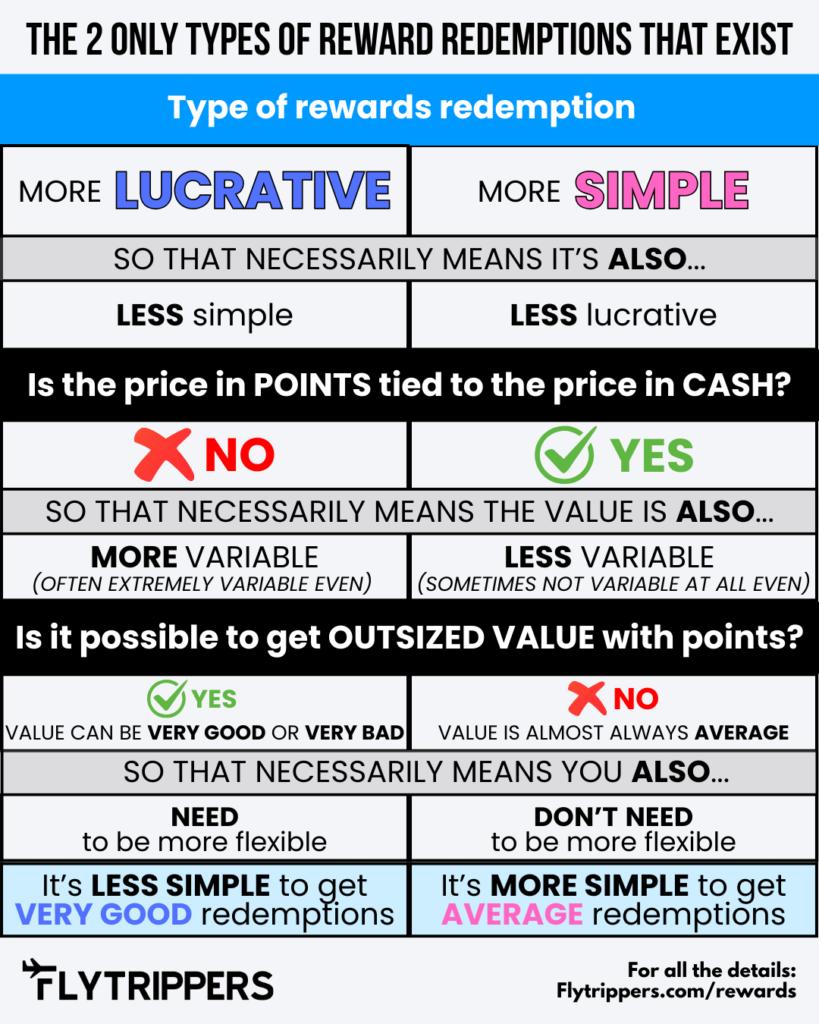
The biggest difference between these cards shows up when you try to use your rewards.
With the Chase Sapphire Preferred® Card, redemption is flexible. You can book travel through their system or transfer points to partners. This flexibility is where the highest value exists, but it also requires some effort and understanding.
With the Capital One Venture Rewards Credit Card, redemption is straightforward. You simply apply your points to travel purchases. It’s not optimized, but it’s reliable.
According to the Consumer Financial Protection Bureau, understanding how rewards are redeemed is just as important as how they are earned.
https://www.consumerfinance.gov/consumer-tools/credit-cards/
Ease of Use: The Factor That Decides Everything
This is where most comparisons fall short.
Ease of use doesn’t sound exciting, but it’s what determines long-term behavior. A card that is slightly less powerful but much easier to use often ends up being more valuable in real life.
The Capital One Venture Rewards Credit Card is almost frictionless. There’s nothing to track, nothing to optimize, and nothing to learn beyond the basics.
The Chase Sapphire Preferred® Card, on the other hand, rewards users who are willing to engage with the system. If you enjoy that process, it can be extremely effective. If you don’t, it can feel like unnecessary effort.
Travel Protections: The Hidden Value



Both cards include travel protections that most people overlook until they actually need them.
Things like trip delays, cancellations, or rental car coverage don’t seem important—until they are. In real situations, these benefits can save more money than rewards points.
The Federal Trade Commission highlights how understanding these protections can help avoid unexpected financial losses.
https://consumer.ftc.gov/articles/credit-scores
So Which One Should You Choose?
At this point, the answer becomes much clearer.
If you enjoy optimizing your spending, travel frequently, and don’t mind learning how reward systems work, the Chase Sapphire Preferred® Card has more upside. It rewards effort and can deliver higher value over time.
If you prefer simplicity, consistency, and a system that works without thinking too much about it, the Capital One Venture Rewards Credit Card is the better choice. It may not be as flexible, but it’s far easier to use correctly.
For most people starting out, simplicity tends to win.
Final Thoughts
The biggest mistake people make is assuming that the card with the highest potential value is automatically the best one. In reality, value only exists if you actually use the card in a way that unlocks it.
A simpler system that you use consistently will almost always outperform a more powerful one that you only use partially.
If you understand your habits, your spending, and how much effort you’re willing to put in, the right choice becomes obvious.
Conclusion
Choosing between these two cards is not about features—it’s about behavior.
The Chase Sapphire Preferred® Card offers more flexibility and higher potential, but requires involvement.
The Capital One Venture Rewards Credit Card offers simplicity and consistency, which is often more valuable in real life.
If you’re unsure, start with the option that feels easier to maintain. Over time, you can always upgrade—but building consistent habits from the beginning is what truly creates long-term value.