


If you’ve ever tried to choose a credit card, you’ve probably noticed something: every card looks good at first.
Rewards, bonuses, cashback, travel perks—on paper, almost all of them seem valuable. But once you start using them in real life, the differences become very clear. Some cards fit naturally into your routine, while others require constant effort just to justify their value.
After testing different cards over time and analyzing how people actually use them, one thing becomes obvious: the “best” credit card is not the one with the most features—it’s the one that matches how you spend money.
This guide is built around that idea. Instead of just listing benefits, we’ll focus on what works in real life, which cards stand out, and how to choose one that makes sense for your situation.
Why Most People Choose the Wrong Credit Card
One of the most common mistakes is focusing on potential value instead of actual usage.
A card might offer 3x points on travel, but if you only travel twice a year, those rewards don’t mean much. On the other hand, a simple cashback card might generate consistent value every month without requiring any effort.
According to the Consumer Financial Protection Bureau, understanding your own spending habits is one of the most important factors when choosing a financial product.
👉 https://www.consumerfinance.gov/consumer-tools/credit-cards/
From experience, this is where most decisions go wrong. People tend to choose what sounds best, not what fits best.
What Actually Matters in a Credit Card

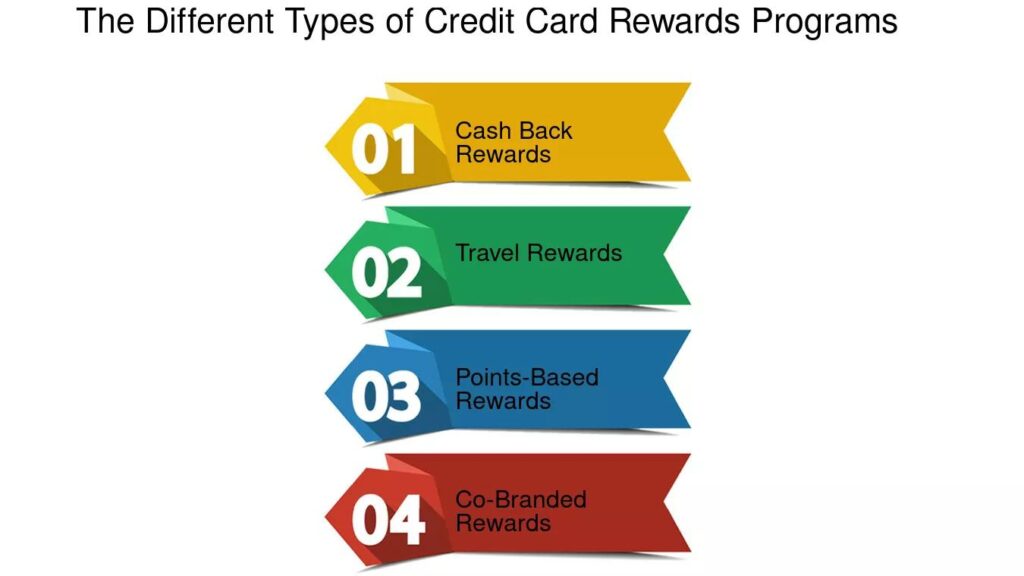
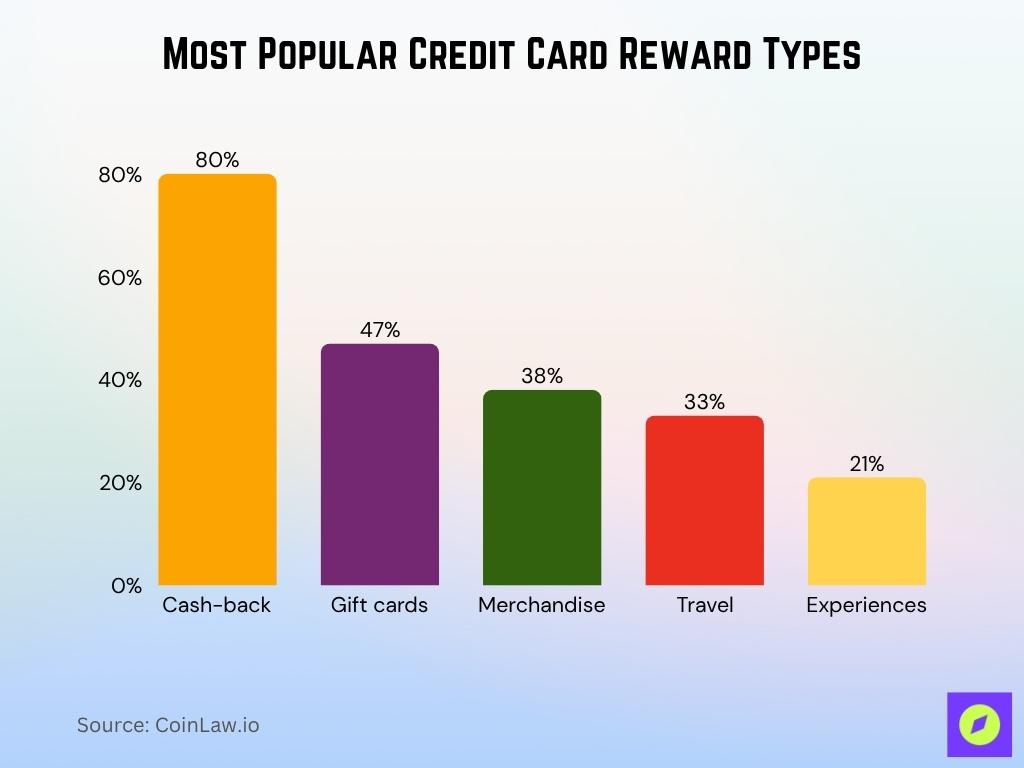
After using different cards in everyday situations, a few factors stand out.
The first is simplicity. If a card requires constant tracking, category activation, or strategic thinking, most users eventually stop optimizing it.
The second is consistency. A lower reward earned on every purchase often beats a higher reward that only applies occasionally.
And finally, usability matters more than theoretical value. If a card fits into your routine without effort, you’re more likely to get real value from it over time.
Best Credit Cards by Category (2026)
Instead of ranking cards in a single list, it’s more useful to group them based on how they perform in real life.
Chase Sapphire Preferred® Card — Best Overall for Travel Flexibility



The Chase Sapphire Preferred continues to be one of the most balanced credit cards available.
It offers strong rewards on travel and dining, but its real advantage is flexibility. Points can be redeemed through the Chase portal or transferred to travel partners, which can increase their value significantly.
Sources like Forbes regularly highlight this flexibility as a key advantage for users who want more than simple cashback.
👉 https://www.forbes.com/advisor/credit-cards/best-travel-credit-cards/
From personal use, this card works best when you travel at least a few times per year and are willing to learn how to redeem points efficiently. Otherwise, part of its value goes unused.
Capital One Venture Rewards Credit Card — Best for Simplicity


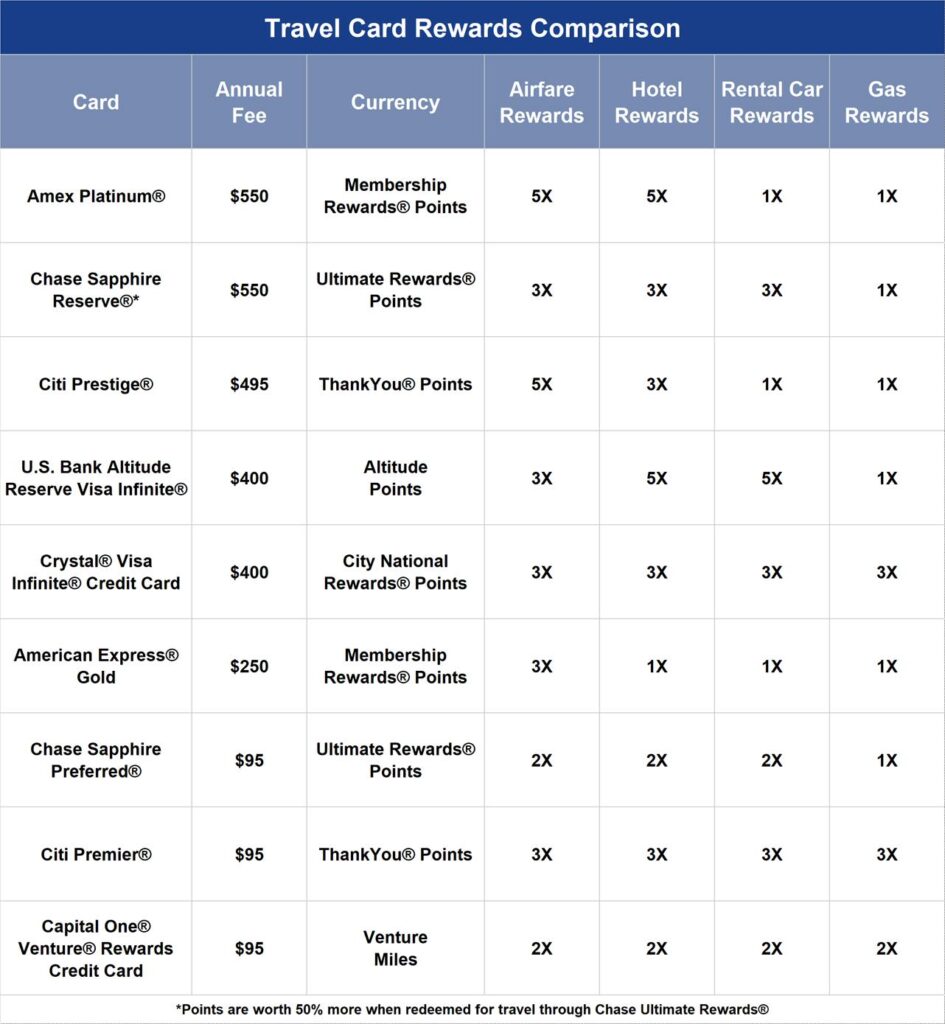
The Capital One Venture card removes most of the complexity associated with rewards.
Instead of tracking categories, it offers consistent rewards across all purchases and simple redemption options.
In real-world use, this matters more than it seems. When I used similar cards, I noticed I didn’t need to think about optimization at all. That made it easier to keep using the card consistently, which ultimately led to better results.
Citi® Double Cash Card — Best Cashback Option



For users who prefer simplicity, the Citi Double Cash card is one of the strongest options.
It offers consistent cashback without categories or tracking requirements. This might sound basic, but in practice, it often leads to better long-term value.
According to The Motley Fool, flat-rate cashback cards remain one of the most effective choices for everyday spending.
👉 https://www.fool.com/the-ascent/credit-cards/best-cash-back-credit-cards/
Discover it® Cash Back — Best for Rotating Categories



The Discover it Cash Back card offers higher rewards in rotating categories throughout the year.
This can be very effective if you remember to activate categories and adjust your spending. However, from experience, many users forget to do this consistently, which reduces its value.
It’s a good example of how a strong reward system doesn’t always translate into real-world results.
American Express® Gold Card — Best for Dining and Lifestyle Spending
The Amex Gold is designed for users who spend heavily on dining and groceries.
It offers high rewards in those categories, along with additional credits and benefits.
From experience, this card works well when your spending naturally aligns with those categories. If not, it becomes harder to justify the annual fee.
Common Mistakes That Reduce Credit Card Value
One of the biggest mistakes is focusing too much on sign-up bonuses. While these offers can be valuable, they only apply once.
Another common issue is choosing a card that requires more effort than you’re willing to maintain. Over time, this leads to inconsistent usage and reduced value.
From what I’ve seen, the best results come from simple, repeatable habits rather than complex strategies.
How to Choose the Right Card for You
There’s no universal answer, but a few practical guidelines can help.
If you prefer simplicity and don’t want to track categories, a flat-rate cashback card is usually the best choice.
If you travel regularly and enjoy optimizing rewards, a travel card can offer more value.
The key is to choose based on your actual behavior—not your intentions.
Final Verdict
The idea of a single “best” credit card is misleading.
What matters is how well the card fits into your daily life. A simple card used consistently will almost always outperform a more complex one that you don’t fully use.
Conclusion
Credit cards can be powerful financial tools, but only when used correctly.
If you focus on consistency, choose a card that matches your habits, and avoid unnecessary complexity, you’ll get far more value over time.
In most real-world situations, the smartest choice is not the most advanced card—it’s the one that works naturally for you.