


At some point, almost everyone who starts looking into better credit cards runs into the same question:
Is it really worth paying an annual fee just to use a credit card?
On paper, the answer often looks obvious. Premium cards promise travel rewards, credits, insurance, and perks that seem to outweigh the cost. But once you move from theory to real usage, things become less clear.
After using different cards with and without annual fees over time, one thing becomes clear: the value is not in the benefits themselves, but in how often you actually use them.
Why Annual Fees Exist in the First Place
Credit cards with annual fees are designed differently from basic cards. Instead of focusing on simplicity, they bundle multiple benefits into a single product.
These can include travel rewards, purchase protections, insurance coverage, and access to exclusive programs.
According to Consumer Financial Protection Bureau, credit cards often generate value through rewards structures and additional services, but that value depends entirely on how the consumer uses them.
👉 https://www.consumerfinance.gov/consumer-tools/credit-cards/
That last part is important. These cards are not inherently better—they’re more specialized.
The Illusion of Value (Where Most People Get It Wrong)



The biggest mistake people make is adding up all the benefits and assuming they’ll use them.
Things like:
- Travel credits
- Lounge access
- Bonus categories
- Partner perks
All look valuable individually. But in real life, many of these go unused.
I’ve personally had cards where I paid the annual fee expecting to maximize rewards, only to realize months later that I hadn’t used half of the benefits. The value was there—but not for my habits.
That’s the gap most comparisons ignore.
When an Annual Fee Actually Makes Sense
There are situations where paying a fee is not only justified, but clearly beneficial.
It usually happens when the card aligns naturally with what you already do.
For example, if you travel regularly and already spend on flights and hotels, a card that offers travel rewards and protections can easily offset its cost.
Sources like Forbes often highlight how frequent travelers can extract significant value from cards with fees, especially through reward optimization and transfer partners.
👉 https://www.forbes.com/advisor/credit-cards/
From experience, the key difference is this: when the benefits match your routine, you don’t need to “try” to justify the fee. It happens naturally.
A Practical Comparison: Fee vs No Fee Cards
Using a no-fee card is straightforward. You earn rewards, usually cashback, without thinking about cost.
Using a card with an annual fee introduces a different dynamic. Now there’s a baseline cost that needs to be offset.
From what I’ve seen, this changes behavior. People start tracking rewards more closely, thinking about how to maximize benefits, and sometimes overcomplicating their spending.
That can work well for some users, but for others, it creates unnecessary friction.
Real Examples of How Value Plays Out
Chase Sapphire Preferred® Card
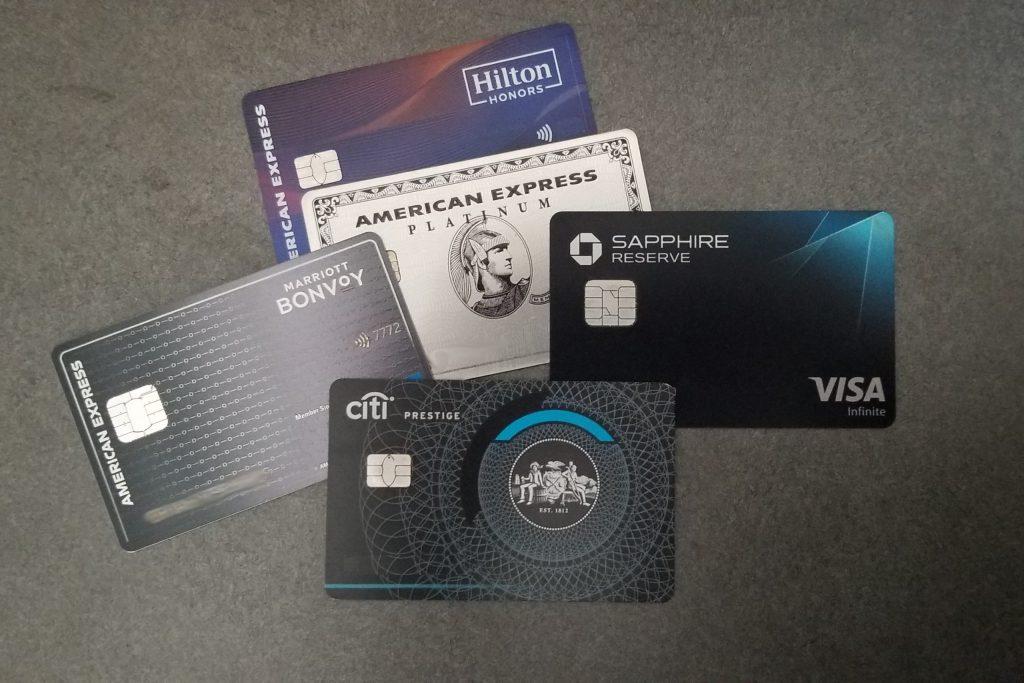


This is one of the most commonly recommended cards with an annual fee, and for good reason.
It offers travel rewards, flexible redemption options, and solid protections.
When I used it consistently for travel and dining, the rewards and flexibility did offset the fee. But during periods when I wasn’t traveling much, its value dropped noticeably.
That fluctuation is something most reviews don’t emphasize enough.
American Express® Gold Card
The Amex Gold is often praised for its rewards on dining and groceries.
In real use, it works well if those are major spending categories for you. But if your spending habits shift, the value becomes less obvious.
What I noticed while testing similar cards is that benefits tied to specific categories are only useful if they match your actual behavior—not your planned behavior.
Citi® Double Cash Card (No Annual Fee Alternative)
Comparing fee-based cards with something like the Citi Double Cash highlights an important point.
There’s no need to justify anything. You earn consistent cashback, without tracking categories or worrying about whether you’re “using enough benefits.”
For many people, this simplicity leads to better long-term results, even if the theoretical rewards are lower.
According to The Motley Fool, flat-rate cashback cards remain one of the most effective options for everyday users who don’t want complexity.
👉 https://www.fool.com/the-ascent/credit-cards/
The Hidden Cost: Effort and Attention
Something that rarely gets mentioned is the mental cost.
Cards with annual fees often require:
- Tracking benefits
- Remembering credits
- Optimizing spending
From experience, this can turn into something that feels like work rather than convenience.
And once that happens, the value starts to decline—even if the numbers still look good.
What I Would Do Before Paying an Annual Fee
Before choosing a card with a fee, I would ask one simple question:
Would I naturally use these benefits without changing my behavior?
If the answer is no, then the value is probably not there.
In my case, I found that fee-based cards only made sense when they aligned perfectly with my routine. Otherwise, simpler options worked better.
Final Verdict
Annual fee credit cards are not inherently better or worse. They are tools designed for specific usage patterns.
For the right person, they can provide excellent value. For the wrong person, they become an unnecessary expense.
Conclusion
The decision is not about whether annual fees are good or bad.
It’s about whether the benefits match how you already spend your money.
If they do, the value can easily outweigh the cost. If they don’t, even the best card on paper won’t feel worth it.
In most cases, the smartest choice is not the most powerful card—it’s the one that fits your life without forcing you to change it.