
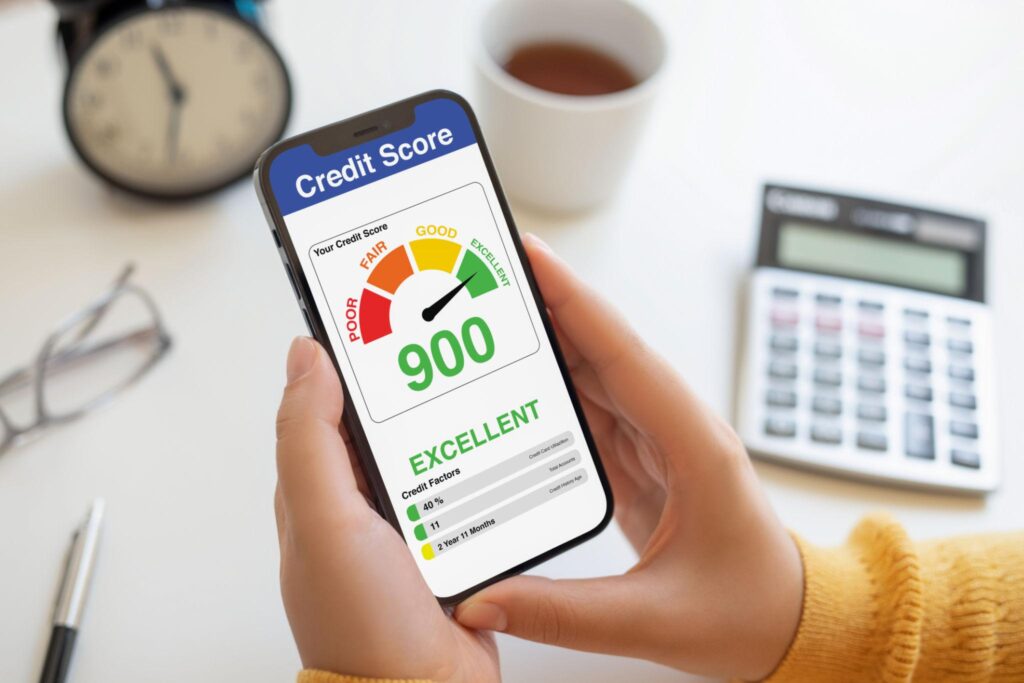

Trying to get approved for a credit card when your credit score isn’t in great shape can feel frustrating. Most options either reject you outright or come with conditions that seem designed to make things harder, not easier.
But here’s something that often gets overlooked: rebuilding credit is less about finding the “best” card and more about finding one you can actually manage consistently without adding more financial pressure.
After looking at how these cards perform in real situations—not just in terms of approval, but how people use them over time—there are clear differences between options that genuinely help and those that simply exist to fill a gap.
Before choosing a card, it’s important to understand what lenders see.
In general, a lower credit score can come from missed payments, high credit utilization, limited credit history, or a combination of these factors. According to the Consumer Financial Protection Bureau, payment history and credit usage are two of the most influential elements when determining a credit score.
👉 https://www.consumerfinance.gov/consumer-tools/credit-reports-and-scores/
That matters because the type of card you choose should help you improve those factors—not make them worse.
Why Some “Bad Credit Cards” Are a Trap
Not every card designed for bad credit is actually helpful.
Some options come with:
- Very high fees
- Low limits
- Expensive interest rates
From experience and observation, these cards often create a cycle where users struggle to keep balances low, which slows down credit improvement instead of helping it.
That’s why it’s important to look beyond approval and focus on long-term usability.
What Actually Helps Rebuild Credit
Improving your credit doesn’t require complex strategies. In fact, it usually comes down to a few consistent habits.
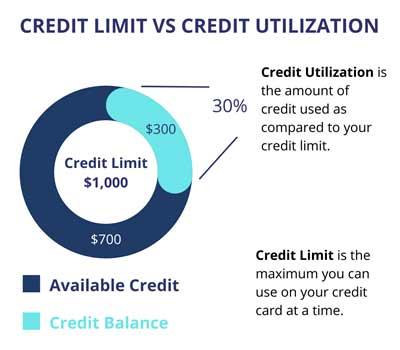
Making payments on time is the most important factor. Keeping your balance low relative to your limit also plays a major role. Over time, those behaviors signal reliability to lenders.
According to the Federal Trade Commission, responsible credit usage—especially consistent on-time payments—is one of the fastest ways to improve your credit profile.
👉 https://consumer.ftc.gov/articles/credit-scores
The Best Credit Cards for Bad Credit (Real-World Use)
Instead of ranking cards by features alone, it’s more useful to look at how they perform when used consistently.
Discover it® Secured Credit Card
This is one of the few secured cards that feels like a regular credit card.
You provide a deposit, which becomes your credit limit, but the card also offers cashback rewards. That combination is not common in secured products.
From a practical standpoint, it works well because it doesn’t feel like a temporary solution. Many users keep using it even after improving their credit, which says a lot about its usability.
Capital One Platinum Secured Credit Card

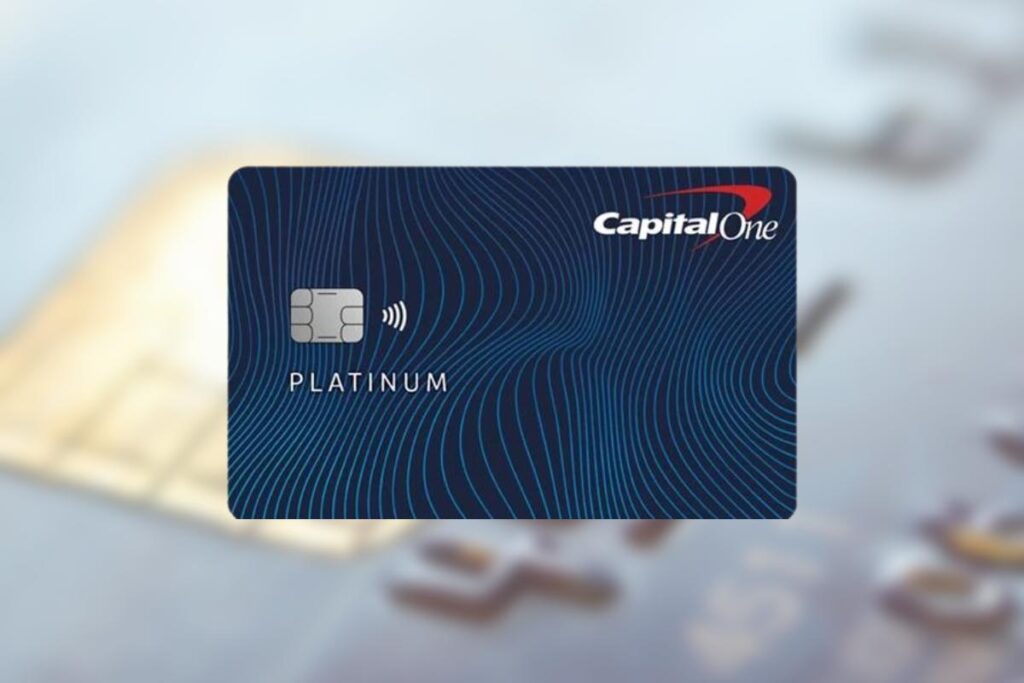
This card is more basic, but that’s part of its strength.
It’s designed for simplicity, with fewer features but a straightforward path to building credit. In real use, this can be an advantage, especially for users who want to focus on improving their score without distractions.
It doesn’t offer rewards, but it provides something more important at this stage: stability.
OpenSky® Secured Visa® Credit Card
OpenSky stands out because it doesn’t require a credit check for approval.
This makes it accessible for users who have had serious credit issues or limited history. While it doesn’t offer rewards, its accessibility is its main value.
From what I’ve seen, this card works best as a starting point rather than a long-term solution.
Petal® 2 Visa® Credit Card
Petal takes a different approach by looking beyond traditional credit scores.
Instead of focusing only on your history, it also evaluates your banking activity. This makes it a possible option for people who don’t have strong credit but show consistent financial behavior.
In practice, this can open doors that traditional lenders might not.
The Most Common Mistakes to Avoid
One of the biggest mistakes is focusing only on getting approved without thinking about how the card will be used afterward.
Another is carrying a balance unnecessarily. While it’s often believed that this helps build credit, it actually increases costs and risk.
From experience, the most effective approach is simple: use the card lightly, pay it off completely, and repeat.
What I Would Do Starting From Bad Credit
If I had to rebuild my credit from scratch, I wouldn’t try to optimize anything at the beginning.
I would choose a simple secured card, use it for small recurring expenses, and pay it off automatically every month. After a few months of consistency, I’d consider upgrading to a better product.
The key is not speed—it’s stability.
Final Verdict
There is no shortcut to fixing bad credit, but there are tools that make the process easier.
The best credit card for bad credit is not the one with the most features. It’s the one that helps you build consistent habits without adding unnecessary pressure.
Conclusion
Rebuilding credit is a gradual process, not an instant fix.
If you focus on small, consistent actions—on-time payments, low balances, and simple usage—you’ll see progress over time.
The right card won’t solve everything, but it can make the process manageable. And in most cases, that’s exactly what you need.
If you’re interested, check out our ranking of the best credit cards at the link below https://esomnixa.com/best-credit-cards-in-2026-top-10-ranked-a-complete-expert-comparison/